
FAQ
FAQ
During the home inspection we will walk through the home together and explain the general condition of the home and systems with you and your agent. We will also talk to you about items that you will want to keep an eye for deferred maintenance. After we complete our inspection of the home you will receive our detailed easy-to-read Spectora report, that will be delivered in HTML and/or PDF format the same day of the inspection. In the report you will see items we discussed and images for reference.
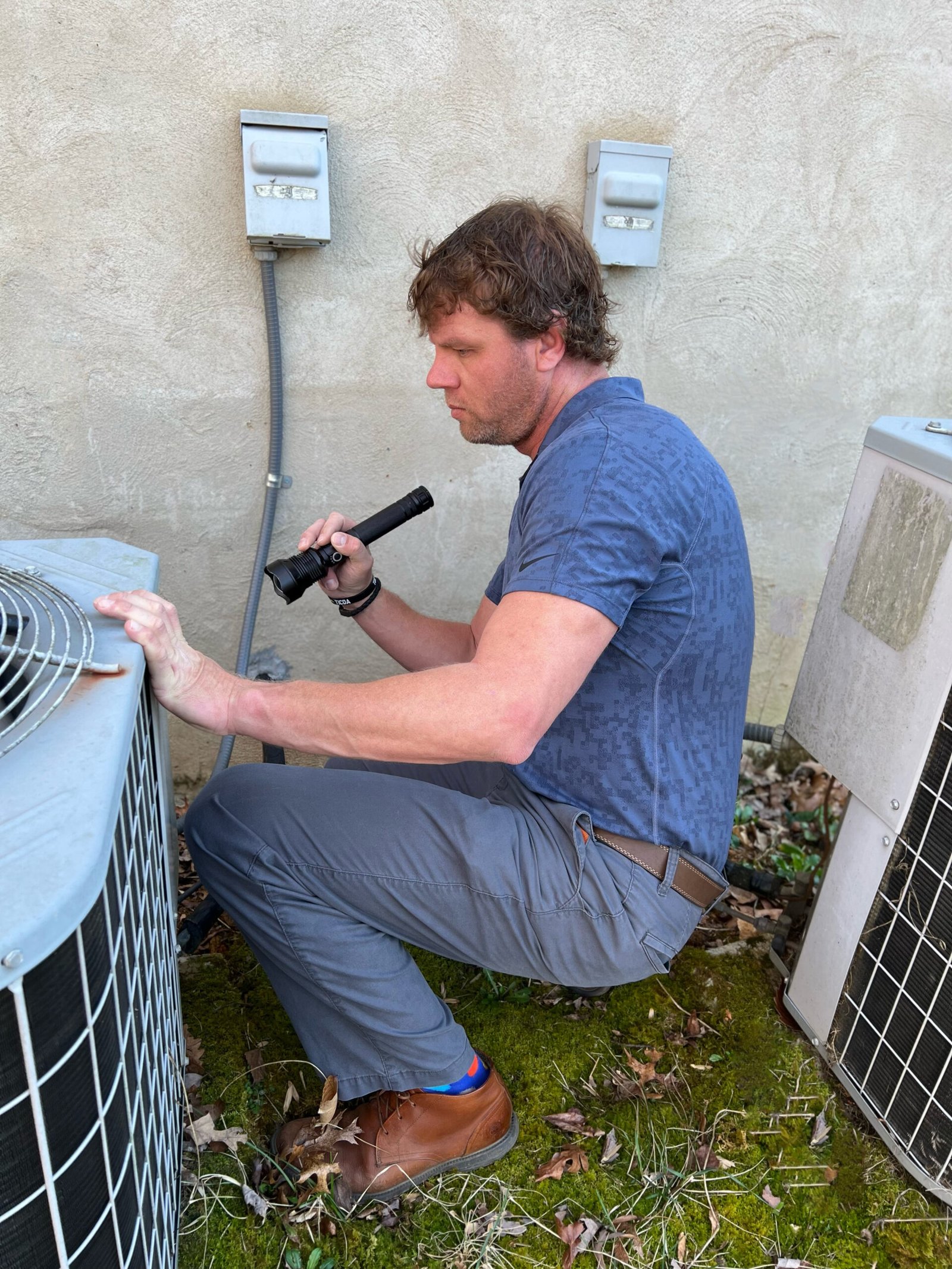
There is no set cost for a home inspection. The cost will vary based on the inspector, the local market, the geographic region, the scope of the inspection to be performed, and more.
Buying a home is typically the biggest investment you will ever make, so it’s important to get a home inspection because the inspector should be able to discover and document defects that may or may not be obvious to you as a prospective buyer. Such defects can range from simple replacements or repairs, to severe damage or safety and health concerns.
If your home inspection reveals any problems, it is important to understand the severity of the defect. For example, a missing shingle or dirty air filter can be easily fixed at a low cost. However, if the defect is more extreme, such as a major foundation crack, wood-destroying organism infestation, or evidence of mold, you should find out how these problems can be addressed, and whether you can negotiate their cost with the seller.
Depending on the home’s age, size, and location, as well as the home inspector’s own work protocols and ethic, your home inspection may take up to three hours. Adding square footage, outbuildings, and/or ancillary services (such as mold or radon testing) will increase that time. It may be necessary for your inspector to bring in a helper for a very large property.
A home inspection is a visual examination of the home’s major structure, systems and components that are visible and safely accessible. The inspector should substantially adhere to a standards of practice that outlines what should be covered during a general home inspection, as well as what is excluded. Some inspectors may strictly follow the standards of practice, while others may exceed the standards and inspect other items, or perform a more detailed inspection. The inspector should provide you with a written report, which may include photos and/or recommendations, of his or her findings of the inspection.